.png)
Understanding CLM System Architecture Design
Contract Lifecycle Management (CLM) systems are essential tools for managing contracts efficiently in large organizations. They streamline contract creation, execution, and analysis, reducing risks and improving compliance. To fully leverage these benefits, it is crucial to understand the underlying architecture of CLM systems. This knowledge helps in selecting, implementing, and optimizing the right solution for enterprise needs.
Overview of CLM System Architecture
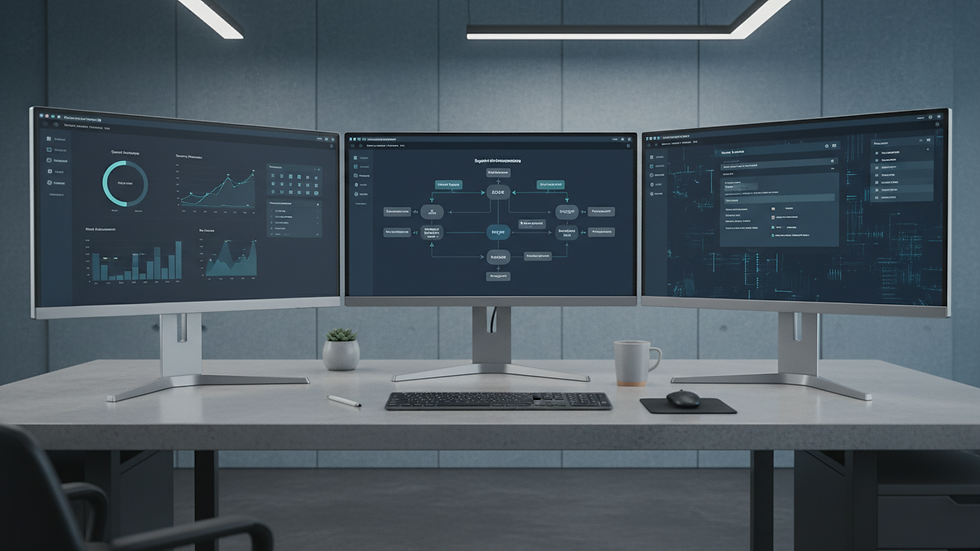
A CLM system architecture defines how various components interact to support contract management processes. It includes data storage, user interfaces, integration points, and security layers. The architecture must be scalable, flexible, and secure to handle complex contract workflows and large volumes of data.
Typically, a CLM system architecture consists of the following layers:
Presentation Layer: The user interface where contract managers, legal teams, and other stakeholders interact with the system.
Application Layer: The core logic that manages contract workflows, approvals, notifications, and reporting.
Data Layer: The database and document repositories that store contract metadata, versions, and related documents.
Integration Layer: Connectors and APIs that enable communication with other enterprise systems such as ERP, CRM, and e-signature platforms.
Security Layer: Controls access, authentication, and encryption to protect sensitive contract information.
This layered approach ensures modularity and easier maintenance. It also supports customization to meet specific organizational requirements.

Key Components of CLM System Architecture
Understanding the components helps in designing or evaluating a CLM system that aligns with business goals. Here are the critical components:
Contract Authoring Module
This module provides templates, clause libraries, and collaboration tools. It enables users to draft contracts quickly while ensuring compliance with legal standards.
Workflow Engine
Automates contract approval processes. It routes contracts to the right stakeholders based on predefined rules, tracks progress, and sends reminders.
Repository and Document Management
Centralized storage for all contract documents and related files. It supports version control, full-text search, and audit trails.
Reporting and Analytics
Offers insights into contract performance, risks, and bottlenecks. Dashboards and custom reports help decision-makers monitor contract health.
Integration Interfaces
APIs and connectors facilitate data exchange with other enterprise systems. This integration reduces manual data entry and ensures consistency.
Security and Compliance Controls
Role-based access, encryption, and compliance with regulations such as GDPR or HIPAA protect contract data.
Each component must be designed to work seamlessly with others. This integration is vital for delivering a smooth user experience and reliable contract management.
What is the difference between CRM and CLM?
Customer Relationship Management (CRM) and Contract Lifecycle Management (CLM) systems serve different but complementary purposes. Understanding their differences clarifies how they fit into enterprise operations.
CRM Systems focus on managing customer interactions, sales pipelines, and marketing campaigns. They track leads, contacts, and customer history to improve sales and service.
CLM Systems concentrate on managing contracts from initiation to renewal or expiration. They ensure contracts are compliant, executed on time, and stored securely.
While CRM systems may include basic contract tracking features, they lack the depth of contract-specific workflows, clause management, and legal compliance tools found in CLM systems. Enterprises often integrate CRM and CLM to create a seamless flow from sales to contract execution.

Best Practices for Designing CLM System Architecture
Designing an effective CLM system architecture requires careful planning and adherence to best practices. Here are actionable recommendations:
Prioritize Scalability
The system should handle increasing contract volumes and users without performance degradation. Cloud-based architectures often provide better scalability.
Ensure Flexibility
Contract processes vary across departments and industries. The architecture should support customization of workflows, templates, and approval rules.
Focus on Integration
Seamless integration with ERP, CRM, and e-signature tools reduces manual work and errors. Use standardized APIs and middleware where possible.
Implement Strong Security Measures
Protect sensitive contract data with encryption, multi-factor authentication, and strict access controls. Regularly audit security policies.
Design for User Experience
Intuitive interfaces and mobile accessibility improve adoption rates. Provide training and support to ease the transition.
Leverage Analytics
Incorporate reporting tools that provide actionable insights. Use data to identify bottlenecks and optimize contract processes.
Plan for Compliance
Ensure the system supports regulatory requirements relevant to your industry and geography.
Following these practices helps build a robust CLM system that delivers measurable business value.
How CLM Architecture Supports Business Efficiency
A well-designed CLM system architecture directly impacts operational efficiency and risk management. Here is how:
Automated Workflows Reduce Cycle Times
By routing contracts automatically and sending alerts, the system minimizes delays and accelerates approvals.
Centralized Repository Enhances Accessibility
Users can quickly find contracts and related documents, reducing time spent searching and avoiding duplication.
Improved Compliance Lowers Legal Risks
Built-in controls ensure contracts adhere to policies and regulations, reducing exposure to penalties.
Data-Driven Decisions Improve Outcomes
Analytics highlight trends and risks, enabling proactive management of contract portfolios.
Integration Minimizes Manual Errors
Synchronizing data across systems reduces inconsistencies and administrative overhead.
These benefits align with the goal of optimizing contracting processes to boost business value and efficiency.
Next Steps in CLM System Architecture Implementation
Implementing or upgrading a CLM system requires a structured approach. Here are practical steps to consider:
Assess Current Processes
Map existing contract workflows and identify pain points.
Define Requirements
Gather input from legal, commercial, and operations teams to specify needed features and integrations.
Evaluate Technology Options
Compare architectures based on scalability, flexibility, security, and ease of integration.
Develop a Roadmap
Plan phased implementation with clear milestones and resource allocation.
Engage Stakeholders
Communicate benefits and provide training to ensure user adoption.
Monitor and Optimize
Use analytics to track performance and continuously improve the system.
By following these steps, organizations can successfully deploy a CLM system architecture that meets their strategic objectives.
For a deeper dive into the technical aspects, I recommend reviewing resources on clm technology architecture design.
Understanding the architecture behind CLM systems is essential for maximizing their impact. A well-structured design supports efficient contract management, reduces risks, and drives business value. With the right approach, enterprises can transform their contracting processes and achieve lasting operational improvements.


Comments